What Determines Energy Density in Produce
Examination of factors influencing energy density beyond water content, including the contributions of fat, protein, fibre, and carbohydrates.
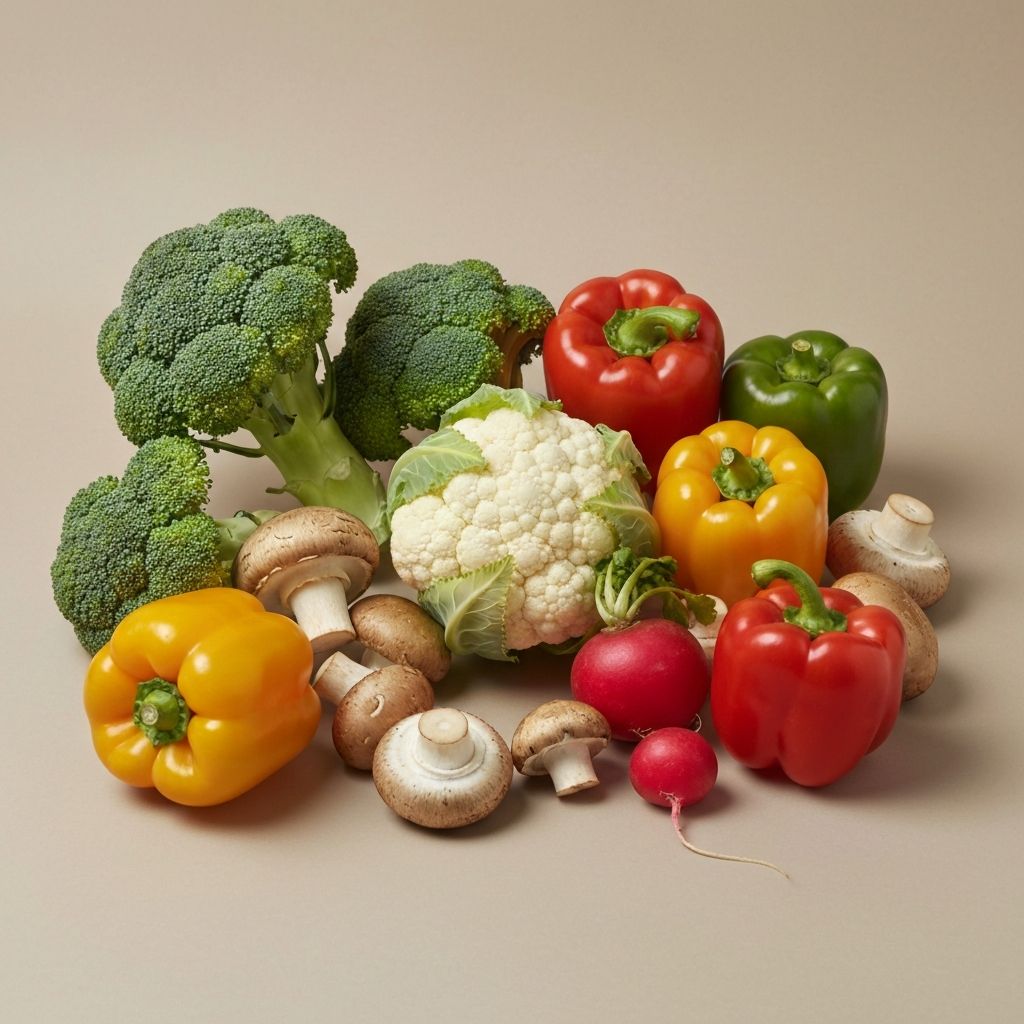
Beyond Water: The Complete Composition Picture
While water content provides the primary explanation for low energy density in vegetables, other components contribute additional context. The calorie values in vegetables derive exclusively from three macronutrients: carbohydrates (4 kcal/gram), protein (4 kcal/gram), and fat (9 kcal/gram). Understanding how these distribute across different vegetables explains variations within the low-density category.
Carbohydrate Content
Vegetables contain carbohydrates primarily in the form of sugars, starch, and fibre. Simple sugars provide rapid energy, while starches offer more complex carbohydrate structures. Most vegetables contain relatively low carbohydrate percentages by weight. Leafy greens typically contain 2–5% carbohydrates, while root vegetables may reach 8–10%. These differences create measurable variations in energy density within the overall low-density category.
Protein Contribution
Vegetable protein content typically ranges from 1–5% by weight. Some varieties, particularly leafy greens and cruciferous vegetables, contain slightly higher protein percentages than watery vegetables like cucumber. However, even these higher-protein vegetables remain substantially lower in protein than meat, legumes, or nuts. The minimal protein contribution explains why vegetables provide relatively stable, low energy density across families.
Fat Content: The Minimal Factor
Most vegetables contain negligible fat content—typically 0.1–0.5% by weight. Because fat provides 9 kilocalories per gram (more than double the 4 kcal/gram of protein or carbohydrate), even small fat differences create measurable impacts on energy density. Vegetables are naturally low-fat foods, which substantially contributes to their overall energy density characteristics. Avocados and olives represent notable exceptions, containing 10–20% fat by weight, resulting in much higher energy density values.
Fibre: Structure and Volume
Dietary fibre comprises the carbohydrate components that resist digestion by human enzymes. Fibre contributes structural rigidity to plant cell walls through compounds like cellulose and hemicellulose. Vegetables with higher fibre content typically display more pronounced cellular structure and maintain greater rigidity. Fibre content ranges from 0.5–3.6% across common vegetables, with higher values in cruciferous and leafy varieties.
| Vegetable | Carbs % | Protein % | Fat % | Fibre % |
|---|---|---|---|---|
| Cucumber | 3.6% | 0.7% | 0.1% | 0.5% |
| Lettuce | 2.9% | 1.2% | 0.2% | 0.6% |
| Broccoli | 7.0% | 2.8% | 0.4% | 2.4% |
| Spinach | 3.6% | 2.7% | 0.4% | 2.7% |
Micronutrients and Bioactive Compounds
Beyond macronutrients, vegetables contain vitamins, minerals, and phytonutrients that contribute minimal calories but significant nutritional value. These micronutrients do not appreciably affect energy density calculations but substantially influence the nutritional diversity provided by vegetable consumption. Different vegetable families offer distinct micronutrient profiles.
Continue Exploring Vegetables
Learn more about specific vegetable families and their unique characteristics.
Read next article